Wedding flowers for Crouch Hill couples in Finsbury Park
Posted on 29/09/2026
If you are planning a wedding near Crouch Hill and Finsbury Park, flowers are one of those details that quietly hold the whole day together. They shape the mood before anyone notices the music, the dress, or even the seating plan. Wedding flowers for Crouch Hill couples in Finsbury Park often need to do a lot: look elegant in photos, work with a London venue, travel well, and suit a couple's style without blowing the budget. That sounds like a tall order, but with the right planning it is very manageable.
In this guide, we will look at how wedding flowers work locally, what to prioritise, where people tend to go wrong, and how to make sensible decisions for bouquets, buttonholes, ceremony flowers, and reception arrangements. A few practical choices at the start can save you a lot of stress later. And let's face it, wedding planning already has enough moving parts.
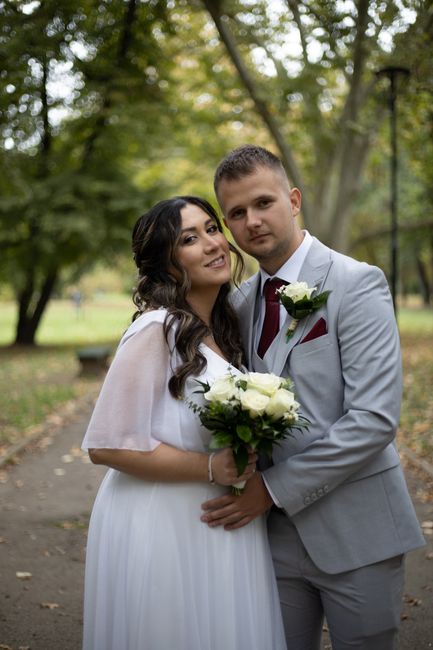
Table of Contents
- Why Wedding flowers for Crouch Hill couples in Finsbury Park Matters
- How Wedding flowers for Crouch Hill couples in Finsbury Park Works
- Key Benefits and Practical Advantages
- Who This Is For and When It Makes Sense
- Step-by-Step Guidance
- Expert Tips for Better Results
- Common Mistakes to Avoid
- Tools, Resources and Recommendations
- Law, Compliance, Standards, or Best Practice
- Options, Methods, or Comparison Table
- Case Study or Real-World Example
- Practical Checklist
- Conclusion
- Frequently Asked Questions
Why Wedding flowers for Crouch Hill couples in Finsbury Park Matters
Flowers are not just decoration. For a wedding, they are part of the visual language of the day. They set tone, signal the season, and help connect your ceremony, reception, outfits, and photographs into one coherent look. For couples marrying around Crouch Hill and Finsbury Park, that matters even more because local weddings often involve a mix of spaces: small civil ceremonies, relaxed restaurants, community venues, hotel rooms, and garden-facing receptions.
The right floral design can make a modest room feel considered and special. A simple bouquet, for example, can lift a neutral dress instantly. A carefully chosen buttonhole can quietly finish a suit without shouting for attention. Reception flowers can soften a modern venue that feels a little too sharp. You know the feeling when a space suddenly comes alive? That is what well-planned flowers do.
There is also a practical side. In London, travel time, delivery windows, and venue access can matter just as much as colour choice. A florist who understands the area will think about timing, transport, storage, and the order in which everything has to arrive. That local awareness is worth a lot.
Expert summary: The best wedding flowers are not simply the prettiest ones. They are the ones that fit the venue, the timing, the outfit, and the atmosphere you actually want on the day.
How Wedding flowers for Crouch Hill couples in Finsbury Park Works
At a practical level, wedding flowers usually begin with a conversation about style, venue, and budget. From there, the florist translates your ideas into a workable floral plan. That might include bridal bouquets, bridesmaid bouquets, buttonholes, ceremony pieces, table arrangements, aisle flowers, and maybe a few smaller accents such as cake flowers or floral decor for a gift table.
For couples in Crouch Hill and Finsbury Park, the process often works best when you start with the big picture rather than the individual stems. Do you want something airy and natural, or more structured and classic? Do you want soft whites, rich jewel tones, romantic pinks, or a mixed seasonal palette? Once that is clear, the florist can suggest flowers that suit the season and hold up well through the day.
Here is the bit people sometimes miss: flower choice is only half the job. Timing matters. Bouquet preparation, transport, venue access, hydration, and cool storage all affect how fresh everything looks by the time the photographs start. A bouquet can be lovely in the morning and slightly weary by late afternoon if it has been handled badly. Not glamorous, but true.
If you are exploring wedding-specific arrangements, it helps to look at dedicated collections such as wedding flowers, bridal bouquets, bridesmaid bouquets, buttonholes, and table arrangements so you can see how the pieces fit together as a whole.
Key Benefits and Practical Advantages
A well-planned wedding flower scheme gives you more than pretty pictures. It can simplify decisions, improve venue styling, and reduce the number of last-minute worries on the day itself. That alone is worth the effort.
- Visual cohesion: Flowers tie outfits, ceremony styling, and reception decor together.
- Better photographs: Natural colour and texture can stop pictures feeling flat, especially in indoor venues.
- Local practicality: A florist familiar with Finsbury Park can plan around travel, access, and delivery timing.
- Seasonal value: Using flowers that are in season often gives you better shape, freshness, and value.
- Personal expression: The colour palette and flower types can reflect your taste without needing a huge display.
There is a financial benefit too. When couples plan flowers sensibly, they tend to avoid over-ordering. A good florist can often build impact in the right places instead of spreading the budget too thinly. A strong bridal bouquet, a few buttonholes, and one or two focal arrangements may do more for the room than a dozen scattered small items. That is the sort of thing experience teaches.
One other advantage, and it sounds small but really is not, is peace of mind. Once the flowers are decided and scheduled, one more part of the wedding stops floating around in your head at 2 a.m.
Who This Is For and When It Makes Sense
This topic is for couples who want thoughtful, beautiful flowers for a wedding near Crouch Hill or Finsbury Park, whether the event is intimate or more elaborate. It suits people planning a civil ceremony, a restaurant reception, a church service, or a blend of all three.
It also makes sense if you are trying to balance taste with practicality. Maybe you like a refined look but do not want something overly formal. Maybe one of you loves roses and the other wants something a bit more relaxed. Maybe the venue already has a lot of character and you only need floral accents, not a full transformation. All of that is normal. More than normal, really.
You may especially benefit from a local wedding florist if:
- your venue has limited setup time
- you need flowers delivered to more than one address
- you want a cohesive look across bridal party flowers and reception pieces
- you are unsure which flowers will last best through the day
- you need something beautiful but not extravagant
For couples with a tighter budget, the smart move is often to focus on a few high-impact items rather than many small extras. If you are choosing between a full-scale floral backdrop and a beautiful bouquet with elegant table designs, either can work. The right answer depends on the room and your priorities, not on what looks busiest on social media. Social media, to be fair, is not always a friend to realistic budgeting.
Step-by-Step Guidance
Planning wedding flowers is much easier when you break it into stages. Here is a straightforward way to approach it.
- Start with your venue and date. The venue affects style, flower quantity, and logistics. The date affects seasonality and availability.
- Define the mood. Decide whether you want romantic, modern, natural, classic, bold, or understated flowers.
- Choose a core palette. Two to four colours is usually enough. Too many can make the scheme feel noisy.
- Prioritise the key pieces. Most couples begin with the bridal bouquet, bridesmaid bouquets, buttonholes, and ceremony flowers.
- Check practical needs. Ask how flowers will be transported, how long they can stay fresh, and whether the venue can store them safely.
- Review substitutions. If a specific bloom is unavailable, agree in advance on alternatives with a similar shape or feel.
- Confirm timings. Make sure delivery, setup, and collection are all clear. Small timing gaps create unnecessary stress.
A useful trick is to think in layers. The first layer is what the bride and groom or partners carry or wear. The second layer is what guests will notice as they arrive. The third layer is the room itself. If the first two layers are strong, the whole event can still look complete even if the reception styling stays relatively simple.
If you want a more curated look, collections such as the I Cherish You wedding collection, The Perfect Match collection, and White Wonders can help you compare styles without starting from scratch.
Expert Tips for Better Results
Experience matters with wedding flowers because tiny choices can have a big effect. A few practical tips make a real difference.
- Pick flowers that suit the season. Seasonal blooms are often fresher and easier to source in a way that feels natural.
- Think about perfume carefully. Strongly scented flowers can be beautiful, but they are not always ideal in a small indoor room.
- Match scale to the venue. A large bouquet can overwhelm a petite frame; a tiny arrangement can disappear in a big hall.
- Keep the palette controlled. A simple scheme usually ages better visually than a very busy mix.
- Ask for photo-friendly shapes. Rounded bouquets, cascading lines, and structured arrangements all read differently in pictures.
- Be open to sensible substitutions. A florist who can swap in a suitable bloom is often more valuable than one who insists on a fragile plan.
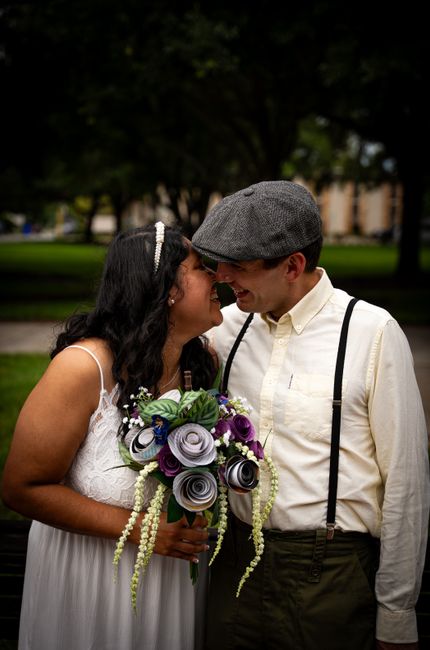
One thing we notice often is that couples worry too much about using flowers that are "fancy enough". Truth be told, what matters more is harmony. White roses, lisianthus, orchids, chrysanthemums, hydrangeas, carnations, and alstroemeria can all work well when they are used in the right combination. Fancy is not the point. Fit is the point.
If you are drawn to rose-led designs, look at options like white roses wedding arrangements, red roses wedding arrangements, or softer mixed pieces such as roses and lisianthus arrangements. They each create a different mood, even before you add the ribbon, vase, or table setting.
Common Mistakes to Avoid
Wedding flowers are easy to get wrong in subtle ways. None of these mistakes are dramatic on their own, but together they can leave the final look feeling a bit uneven.
- Leaving the flowers too late. Good florists and seasonal blooms can book up quickly, especially for popular dates.
- Choosing too many focal points. If everything is trying to stand out, nothing really does.
- Ignoring venue lighting. A pale bouquet may look beautiful in daylight and vanish under dim evening lighting.
- Forgetting transport. Flowers need to arrive safely and remain hydrated.
- Not checking bouquet size. A bouquet can look perfect on screen and feel awkward in the hand if size is not considered properly.
- Overcomplicating the palette. Two shades too many can make a refined scheme feel messy.
There is also a quieter mistake: not asking what happens if a specific bloom becomes unavailable. In wedding work, that question is normal. Very normal. A professional florist should already have a substitution plan in mind, and you should not feel awkward asking about it.
Another common issue is assuming every venue can handle the same floral style. A small room with dark wood, for example, may need lighter flowers or more visible contrast than a bright modern space. The setting matters more than people think.
Tools, Resources and Recommendations
You do not need specialist software to plan wedding flowers, but a few simple resources can help you stay organised.
- Colour references: Save a small set of images showing the tone you like. Too many pictures create confusion.
- Venue notes: Keep details about room size, lighting, table shape, and access points.
- Outfit reference: A photo of the dress, suit, or bridesmaid fabric helps with palette matching.
- Budget outline: Decide where you want to spend most and where you are happy to keep things simple.
- Flower care guidance: Ask for advice on hydration and handling once the flowers arrive.
If you want to browse related flower categories while building your wedding plan, the website's broader flower sections can also help you think through colour and style choices. For example, pink flowers, white flowers, purple flowers, mixed colours, and luxury flowers can all be useful reference points when you are deciding on tone and finish.
For couples who prefer a florist-led approach, a curated selection such as florist choice can be a smart starting place. It reduces decision fatigue. Which, honestly, is a real thing during wedding planning.
Law, Compliance, Standards, or Best Practice
Wedding flowers are not usually a heavily regulated purchase in the way some other services are, but there are still best-practice considerations that matter. Delivery accuracy, product descriptions, refund expectations, and clear communication all help reduce misunderstandings. If you are ordering for a wedding, you should always confirm timings, any delivery restrictions, and what happens if access to the venue changes on the day.
In the UK, it is sensible to expect clear terms around payment, substitutions, cancellation, and complaints. Those details are often set out in a florist's terms and conditions, returns guidance, and delivery information. It is also worth checking care instructions for bouquet handling, especially if flowers will be prepared before the wedding morning. Basic flower care can make a noticeable difference, particularly with arrangements that need to look fresh for several hours.
Good best practice also includes honest communication about seasonal availability. A florist should not promise an exact bloom that is unlikely to be available if conditions change. A careful, transparent approach is better for everyone. The last thing you need on a wedding week is floral guesswork.
If you want to read more about service expectations, you can review pages such as delivery information, returns and refunds, guarantees, and flower care. Those pages help set expectations in a sensible, everyday way.
Options, Methods, or Comparison Table
Couples usually choose one of a few common approaches. None is automatically better. The right choice depends on budget, venue, and how floral you want the day to feel.
| Approach | What it suits | Strengths | Things to watch |
|---|---|---|---|
| Minimal, focused styling | Small ceremonies, registry office weddings, intimate receptions | Good value, elegant, easy to manage | Needs careful placement so it does not look too sparse |
| Classic coordinated flowers | Most traditional weddings | Reliable, polished, photo-friendly | Can feel plain if colour and texture are not varied slightly |
| Seasonal mixed design | Couples who want a natural, relaxed look | Fresh, characterful, often more flexible | Requires trust in the florist's judgement |
| Statement floral styling | Large receptions, photo-led celebrations, bold venues | High impact, memorable, visually dramatic | More setup, more cost, and more planning |
If you are unsure which method fits you, start with your venue and your guest count. A tiny room does not need a dramatic floral overload. A larger space, on the other hand, may need stronger anchor pieces to keep it feeling intentional rather than scattered.
Case Study or Real-World Example
Imagine a couple planning a late-spring wedding close to Finsbury Park. They want a relaxed but elegant feel, with a bouquet that photographs beautifully, a few buttonholes, and simple arrangements for the table where family will sit after the ceremony. They are not chasing a full floral installation. They just want the day to feel warm, personal, and quietly special.
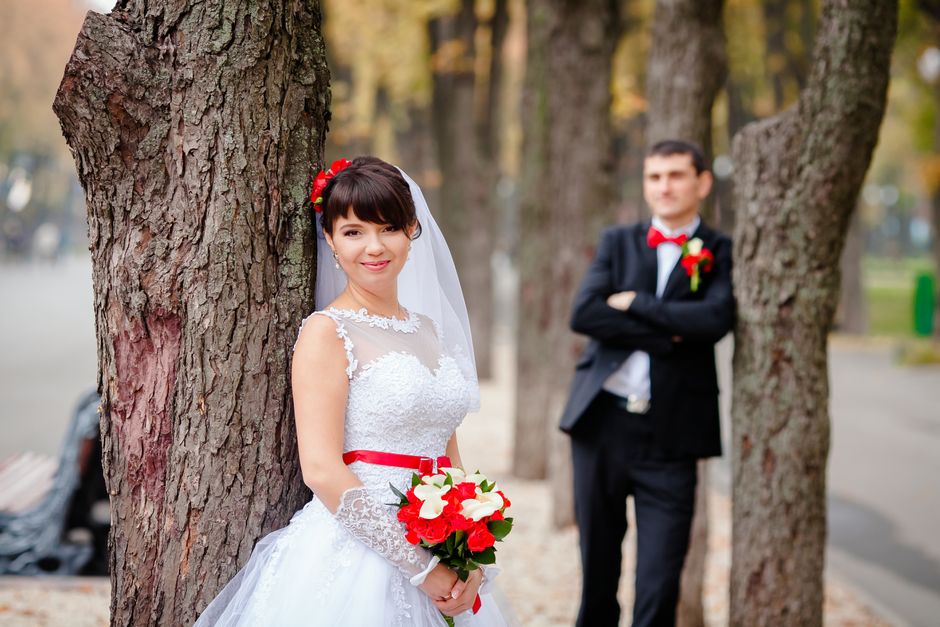
In a situation like that, a florist might suggest a bridal bouquet built around soft whites with pale pink accents, plus matching bridesmaid bouquets that are slightly smaller and lighter in shape. Buttonholes can be kept neat and understated. For the reception, one or two table arrangements can repeat the bouquet's colours without feeling overdone. Nothing flashy. Just balanced.
The result is usually better than trying to do too much. Guests notice the bouquet in photos, the groom's buttonhole on arrival, and the table flowers when they sit down. The whole day feels connected. You get the feeling that someone paid attention. That is what people remember.
And, to be fair, it is often the little things that make a wedding feel expensive in the best sense, even when the budget was handled carefully. A ribbon choice, a flower with a bit of movement, a bouquet that sits properly in the hand. Small details, big effect.
Practical Checklist
Use this checklist when planning wedding flowers for your Crouch Hill and Finsbury Park wedding.
- Confirm your wedding date and venue early
- Decide your floral budget before choosing individual items
- Choose the main colour palette
- Collect a few reference images, not dozens
- Choose the bridal bouquet first
- Add bridesmaid bouquets and buttonholes next
- Decide whether you want ceremony flowers, table arrangements, or both
- Check flower availability for your season
- Ask about substitutions for unavailable stems
- Confirm delivery timings and venue access
- Make sure someone knows where flowers should be placed on arrival
- Review care instructions for the wedding morning
- Double-check any ribbon, vase, or container preferences
- Keep the florist's contact details easy to find on the day
If you work through that list calmly, you are already ahead of most couples. Honestly, that is half the battle.
Conclusion
Wedding flowers for Crouch Hill couples in Finsbury Park are about more than decoration. They help shape the atmosphere, support the photographs, and give the day a sense of care and intention. When the flowers fit the venue, the timing, and your style, the whole celebration feels more complete without needing unnecessary excess.
The best approach is usually the simplest one: start with the venue, choose a clear palette, focus on the most visible pieces, and work with practical guidance on timing and freshness. If you do that, the flowers are far more likely to feel effortless on the day, which is what you want. Well, almost effortless. Weddings are still weddings.
Get a free quote today and see how much you can save.
And if you are still deciding, that is fine. Take your time, trust your eye, and choose flowers that feel like you. That feeling matters more than anyone admits.
Frequently Asked Questions
What flowers work best for weddings near Crouch Hill and Finsbury Park?
The best flowers depend on the season, the venue, and the look you want. Roses, lisianthus, orchids, carnations, alstroemeria, and hydrangeas are all common choices because they can suit both classic and modern designs. A florist can help you narrow down the best option based on availability and the feel of the day.
How far in advance should I book wedding flowers?
It is wise to book as early as you can, especially if your wedding falls during a busy period or you want a specific style. Early booking gives you more choice and less pressure, and it makes planning the rest of the floral details much easier.
Can I keep wedding flowers simple and still have them look elegant?
Absolutely. A simple bouquet, neat buttonholes, and a small number of well-placed arrangements can look very polished. Elegance usually comes from balance and quality, not from having the largest number of flowers.
How do I choose a wedding flower colour palette?
Start with your dress, suit, venue, and overall mood. Many couples choose two to four colours and then add greenery or neutral tones to keep everything coherent. If in doubt, begin with the bouquet and build the rest around it.
Are seasonal flowers better for weddings?
Often, yes. Seasonal flowers are usually easier to source and can look fresher and more natural. They may also give you better value, although the final choice depends on your preferred style and the time of year.
What should I ask a florist before booking?
Ask about availability, substitutions, delivery timing, venue setup, care instructions, and payment terms. If you need flowers for different addresses on the same day, mention that early so logistics are clear from the start.
Do I need flowers for both the ceremony and reception?
Not necessarily. Some couples focus only on the ceremony flowers and bouquet, while others prefer to style both parts of the day. The right choice depends on your venue and budget. If the venue already has strong character, a smaller floral plan may be enough.
How can I make sure my wedding flowers last all day?
Freshness depends on flower choice, timing, storage, and handling. Keep arrangements hydrated, avoid leaving them in heat, and follow any care guidance provided. It also helps to have flowers delivered as close to the event time as practical.
Can I use the same flowers across bouquets, buttonholes, and table arrangements?
Yes, and it is often a good idea. Repeating a few key flowers across different items creates a unified look. You do not need identical designs everywhere; just enough consistency to make the whole event feel tied together.
What if a flower I want is unavailable?
That happens, especially with seasonal blooms. A good florist should be able to suggest a suitable substitute with a similar colour, shape, or texture. It is better to agree that plan in advance than to make rushed decisions later.
Are wedding flowers in London difficult to coordinate?
They can be, mainly because timing and access matter so much in the city. That said, a local florist who understands the area can make the process smooth. Good planning is usually the difference between stressful and easy.
What is the best way to keep the look from feeling overdone?
Keep the palette focused and choose a few strong focal points rather than decorating every available surface. A restrained plan often looks more refined than a crowded one. Less can genuinely be more here.